How To Extend The Life Of Your Timber Fence
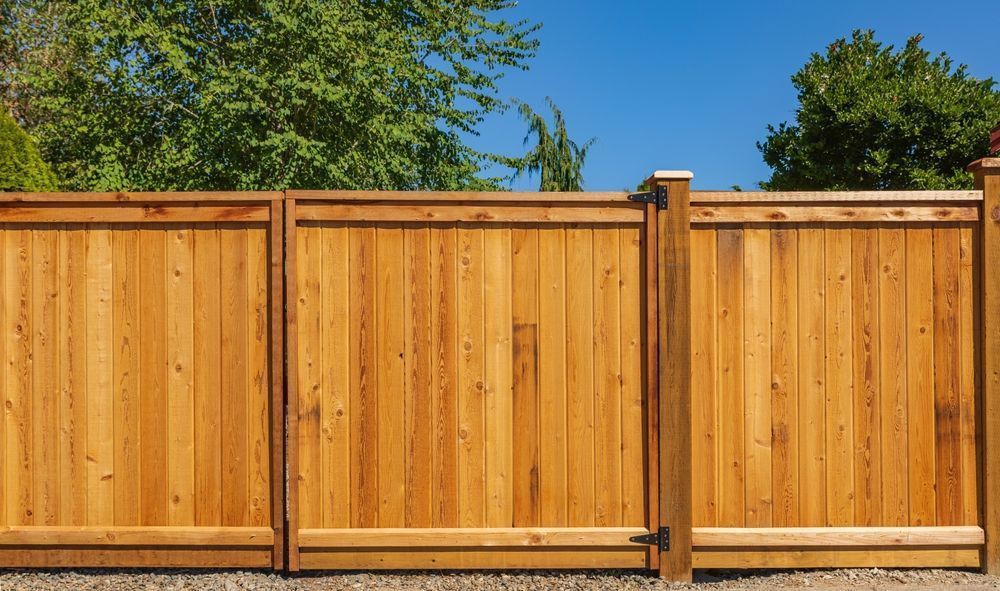
A timber fence is not just a boundary around your home; it's a natural, stylish feature that enhances your property's look and feel. But keeping it in prime condition requires more than just installation. In this blog, we'll guide you through essential tips and practices to maintain the durability and appearance of your timber fence. Join us as we share insights on how to ensure your timber fence remains a beautiful and lasting part of your home.
Choosing the Right Timber: A Professional's Guide
Selecting the right timber is important for the longevity of your fence. Here's what you need to consider:
- Type of Timber: Opt for CCA-treated timber, known for its durability and resistance to the elements.
- Aesthetic Appeal: Consider the natural grains, knots and colours. Paling can be placed horizontally or vertically to match your home's style.
- Quality: Ensure the timber is sourced from reputable suppliers. Brendan’s Landscaping & Fencing offers a range of high-quality options.
Professional Inspections: Preventing Future Problems
Visual Inspection
Structural Integrity
Long-Term Care
Regular Maintenance: Key to Lasting Fences
- Cleaning: Regularly clean your fence to prevent mould and mildew buildup. Use a gentle cleaner and avoid harsh chemicals to maintain the timber's integrity.
- Sealing: Apply a high-quality sealant to protect against weathering and rot. Reapply the sealant every few years or as recommended to ensure continuous protection.
- Repairs: Address any damage promptly to prevent further deterioration. Regular inspections can help you spot issues early, making repairs more manageable and cost-effective.
Connect with Our Timber Fencing Specialists
At Brendan’s Landscaping & Fencing, we understand the importance of a well-maintained timber fence. Our team of skilled tradesmen is dedicated to providing quality service, ensuring your timber fencing not only looks great but stands the test of time. We offer a range of fencing options, including custom designs to suit your specific needs. For those looking for quality timber fencing in Bundaberg, we invite you to get in touch with us. Contact us via our contact page or give us a call to discuss how we can help enhance the beauty and longevity of your timber fence.
How to Extend the Life of Timber and Steel Fences
A fence often takes more punishment than any other structure on a property. It stands in the weather all year round, gets knocked by mowers and trailers, and absorbs moisture from the ground it's set into. Yet most homeowners only think about their fence when a panel starts to sag or a post begins to rust through. With a bit of regular attention, both timber and steel fencing can last well beyond their expected lifespan, saving on repair and replacement costs down the track.
Whether you're maintaining a Queenslander-style timber fence or a Colorbond steel boundary, the principles are similar: keep moisture under control, address small problems early, and choose quality materials and installation from the outset. This guide covers practical steps for anyone dealing with fencing in Bundaberg, where the coastal climate and humidity can accelerate wear if fences aren't looked after properly.
Understanding Why Fences Deteriorate
Before looking at maintenance, it helps to understand what actually causes fences to fail. Timber and steel deteriorate for different reasons, but both are largely driven by exposure to moisture, sunlight and ground conditions.
- Timber absorbs water, which leads to swelling, warping and eventually rot, particularly at the base of posts where they meet the soil.
- Steel corrodes when protective coatings are scratched or worn away, exposing bare metal to oxygen and moisture.
- UV exposure breaks down timber fibres and fades protective coatings on both materials over time.
- Poor drainage around post footings is one of the most common causes of early fence failure in Bundaberg's humid, high-rainfall climate.
Recognising these causes is the first step in building a maintenance routine that actually addresses the problem rather than just the symptoms.
Choosing the Right Materials from the Start
Extending fence lifespan starts before the first post goes into the ground. The quality of materials and the way a fence is installed has a major bearing on how long it will last, regardless of how well it's maintained afterwards.
- Treated timber, rated for ground contact, resists rot far longer than untreated or lower-grade timber.
- Galvanised or powder-coated steel offers better resistance to corrosion than untreated or poorly coated alternatives.
- Concrete footings, set below ground level and sloped to shed water, reduce the amount of moisture that reaches timber posts.
- Correct post spacing and panel design reduce stress on individual sections during storms and high winds, which are common along the Bundaberg coast.
Getting these fundamentals right from the outset means less maintenance is needed over the life of the fence, and any repairs that are required tend to be smaller and less costly.
Regular Cleaning for Timber and Steel
Dirt, mould and organic build-up hold moisture against fence surfaces, which speeds up deterioration in both timber and steel. A simple cleaning routine goes a long way towards prolonging fence life.
- Wash timber fences with a mild detergent and soft brush a few times a year to remove mould, dirt and algae.
- Avoid high-pressure washing on timber, as it can strip protective coatings and damage the wood grain.
- Clean steel fences with water and a non-abrasive cloth to remove dust, salt residue and grime, particularly in coastal areas where salt exposure is higher.
- Trim back grass, garden beds and vines that sit against the fence line, as trapped vegetation holds moisture and encourages rot or rust.
Cleaning takes relatively little time compared with the cost of replacing rotted timber or rusted steel panels, making it one of the simplest ways to protect the investment.
Sealing and Staining Timber Fences
Timber fencing needs a protective barrier between the wood and the elements. Without it, even treated timber will eventually absorb moisture and begin to break down.
- Apply a quality timber sealant or stain every one to two years, depending on sun and rain exposure.
- Choose products with UV inhibitors to slow fading and fibre breakdown from sunlight.
- Reapply sealant to any exposed or worn areas as soon as they appear, rather than waiting for the next full treatment cycle.
- Pay particular attention to post tops and end grain, which absorb water more readily than the flat surfaces of the timber.
A well-maintained seal keeps timber fencing looking presentable while significantly reducing the risk of warping, splitting and rot. This is one of the most effective timber fence maintenance tips available to homeowners, and it's a task most people can manage themselves with the right products.
Protecting Steel Fences from Rust and Corrosion
Steel fencing is generally lower maintenance than timber, but it isn't maintenance-free. Once rust takes hold, it can spread quickly if left unaddressed.
- Inspect steel fences regularly for scratches, chips or areas where the protective coating has worn away.
- Touch up damaged coatings with a rust-inhibiting primer and matching paint as soon as damage is noticed.
- Check fittings, brackets and welds for early signs of corrosion, as these areas often deteriorate before the main panels do.
- Rinse steel fences after storms, particularly in coastal pockets around Bundaberg where salt-laden air can accelerate corrosion.
Steel fence maintenance is largely about catching small issues before they spread, since rust that's left untreated will continue to eat into the metal and weaken the structure over time.
Managing Moisture and Drainage Around Fence Lines
Moisture management is one of the most overlooked aspects of fence care, yet it has a direct impact on how long both timber and steel fencing will last.
- Ensure garden beds and lawn areas slope away from fence lines rather than pooling water against posts.
- Avoid mulch or garden bedding piled directly against timber posts or steel panels.
- Check that stormwater from gutters and downpipes doesn't discharge directly onto fencing.
- Consider gravel or paving strips along the base of the fence to reduce soil moisture retention in garden beds.
Addressing drainage issues around a fence line is often a one-off task, but it can prevent recurring rot and rust problems for years afterwards.
Routine Inspections and Early Repairs
Most fence problems start small. A loose paling, a cracked post or a small patch of surface rust can usually be repaired quickly and affordably if caught early, whereas neglect allows minor issues to develop into structural problems.
- Walk the fence line every few months, checking for loose panels, leaning posts and signs of rot or rust.
- Test posts for movement by gently pushing on them, particularly after storms or periods of heavy rain.
- Replace individual palings or panels as soon as damage appears, rather than waiting until several sections need attention at once.
- Keep an eye on gate hinges and latches, as these components often show wear before the rest of the fence does.
A routine inspection schedule, even a brief one, is one of the most reliable ways to extend fence lifespan and avoid larger repair bills later on.
Professional Maintenance and Installation Support
Some maintenance tasks are straightforward enough for a DIY approach, but others benefit from professional input, particularly when structural repairs, post replacement or full resealing are involved. Property investors, landlords and builders often prefer to have a fencing contractor handle inspections and repairs as part of a broader maintenance plan, especially across multiple properties.
- Professional assessments can identify early-stage rot or corrosion that isn't obvious to an untrained eye.
- Contractors can advise on the most suitable timber treatments or steel coatings for a property's specific exposure and location.
- Repairs to footings, posts and structural elements are generally safer and longer lasting when carried out by experienced tradespeople.
- A maintenance plan can be tailored to rental properties, acreage blocks or commercial sites, reducing the likelihood of unexpected repair costs.
This kind of support is particularly useful for anyone managing several properties or a larger fence line, where regular DIY inspection isn't always practical.
Getting Help with Fencing in Bundaberg
Timber and steel fences can both last for decades when they're installed correctly and looked after consistently. The steps outlined here, from cleaning and sealing through to drainage management and routine inspections, form a practical maintenance guide that most property owners can follow without much difficulty.
For larger repairs, new installations or a full assessment of an existing fence line, Brendan's Landscaping & Fencing offers advice and hands-on support for homeowners, landlords and builders across the region. If you're dealing with a fencing in Bundaberg that's showing signs of wear or you're planning a new build, get in touch for a chat about what will work best for your property. A quick call now can save a good deal of time and expense later.