Composite Fencing Vs Timber: A Long-Term Performance Comparison
Choosing the right fencing material is rarely a short-term decision. For most property owners, it becomes part of the home’s identity, influencing kerb appeal, ongoing maintenance requirements and long-term value. With so many options available, the comparison between composite and timber continues to stand out, particularly when balancing durability with appearance and upkeep. While both materials have a place in residential and commercial fencing, their performance over time can differ significantly depending on the environment, budget and expectations.
For those considering upgrades or timber fencing in Bundaberg, understanding how each material behaves over years of exposure to weather and wear is essential before committing to a direction.
Durability & Structural Longevity
When assessing fencing materials, durability is often the first consideration. Composite fencing is engineered to resist many of the natural issues that affect organic materials, while timber relies on its natural strength and treatment methods to withstand environmental stress.
Composite fencing generally maintains its structure well over time because it is designed to resist moisture absorption and pest damage. Timber, on the other hand, can remain strong and reliable but is more dependent on proper treatment and ongoing care.
Key differences in long-term durability include:
- Composite resists warping, splitting 7 insect damage
- Timber can expand or contract with moisture changes
- UV exposure may gradually affect timber colour 7 surface texture
- Composite panels typically maintain a more consistent appearance over time
For property owners evaluating composite fencing vs timber, durability often becomes the deciding factor when long-term stability is prioritised over natural material appeal.
Maintenance Requirements Over Time
Maintenance is one of the most noticeable differences between these two fencing types. Timber requires regular attention to preserve its condition, particularly in harsh weather conditions or high-moisture environments. This includes sealing, painting or staining at intervals to maintain both appearance and protection.
Composite fencing is often chosen for its reduced maintenance requirements, as it does not require painting or sealing and can generally be cleaned with basic washing.
Maintenance considerations include:
- Timber needs periodic sealing or staining to protect against moisture
- Composite typically requires only occasional cleaning with water
- Timber surfaces may develop mould or surface wear without upkeep
- Composite retains finish without repainting or re-staining cycles
When comparing timber vs composite fencing Australia, maintenance expectations are often a key factor influencing long-term satisfaction, especially for busy households or investment properties.
For those researching low maintenance fencing options, composite materials often stand out due to reduced ongoing care requirements.
Cost Considerations & Long-Term Value
Initial installation cost is often a deciding factor, but long-term value extends beyond the upfront price. Timber fencing is usually more affordable initially, making it a common choice for budget-conscious projects or large perimeter installations. However, ongoing maintenance costs can accumulate over time.
Composite fencing typically involves a higher initial investment, but reduced upkeep requirements may offset long-term expenses.
Cost-related factors to consider include:
- Timber generally has lower upfront installation costs
- Composite may reduce long-term maintenance spending
- Timber may require repairs or replacement sections over time
- Composite can offer more predictable lifecycle costs
When selecting the best fencing material long term, it is important to consider not only installation expenses but also maintenance, repairs and replacement cycles.
Appearance & Design Flexibility
Aesthetic preference plays a significant role in fencing selection. Timber is often chosen for its natural grain and traditional appearance, which blends well with garden landscapes and outdoor structures. It can be stained or painted in various colours, allowing for customisation.
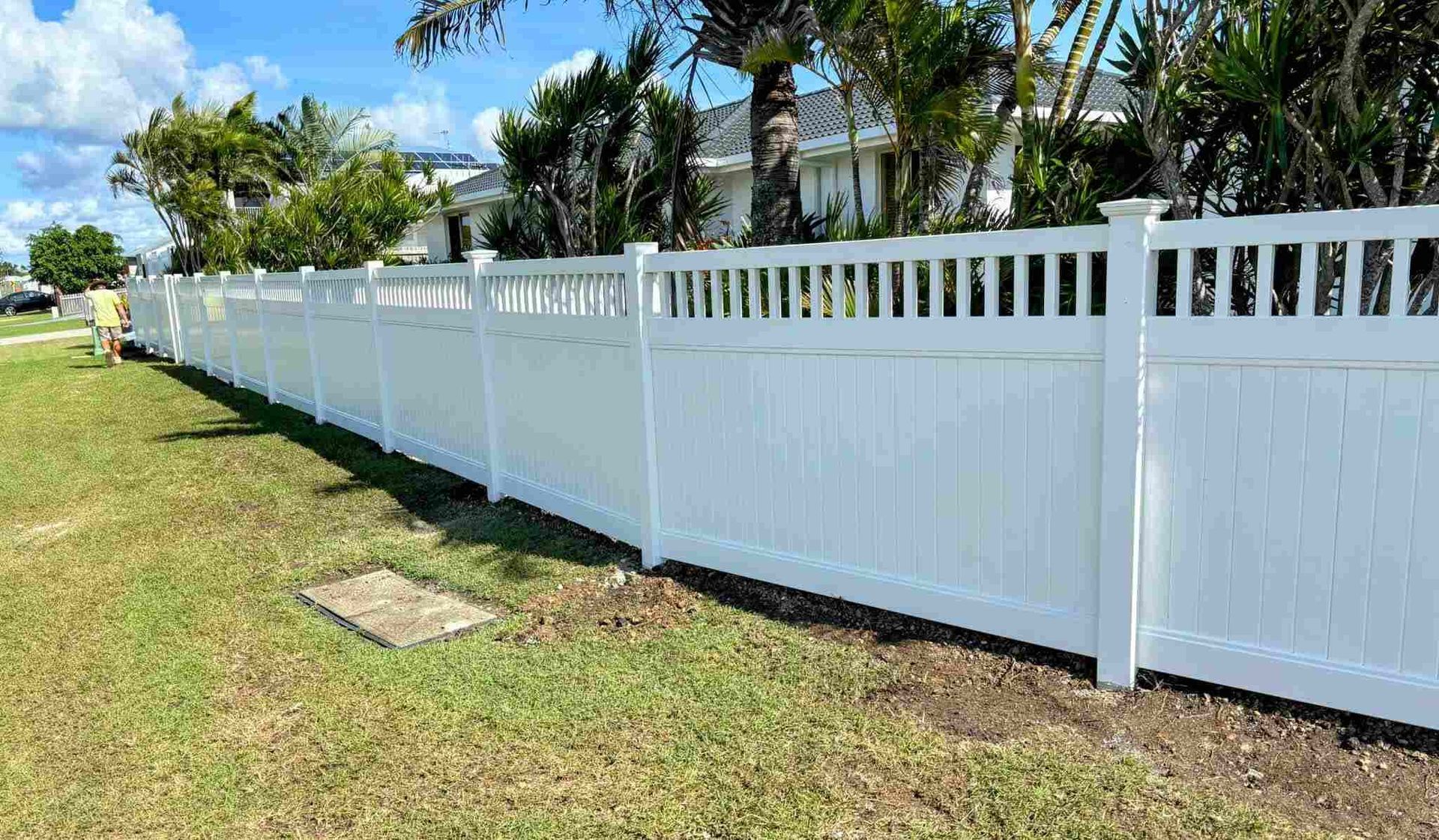
Composite fencing offers a more uniform finish and is available in a range of modern styles designed to replicate timber tones or create contemporary looks. However, it may lack the natural variation that some property owners prefer in timber.
Design considerations include:
- Timber offers natural grain & organic character
- Composite provides consistent colour & texture
- Timber can be repainted or restained for different looks
- Composite maintains its original finish with minimal change
For projects involving timber fencing in Bundaberg, appearance often plays a strong role in choosing traditional timber for its familiar and natural aesthetic, particularly in residential settings.
Environmental Exposure & Weather Performance
Outdoor fencing is constantly exposed to sun, rain and changing temperatures, all of which influence long-term performance. Timber is a natural material that responds to environmental conditions, which can lead to gradual changes in shape and appearance if not properly maintained.
Composite fencing is designed to handle environmental exposure with less visible impact, particularly in terms of moisture resistance and UV stability.
Key environmental differences include:
- Timber may absorb moisture & require protection against swelling
- Composite resists water absorption more effectively
- UV exposure can fade timber if not treated regularly
- Composite generally maintains colour consistency over time
In regions where weather conditions fluctuate, the choice between materials becomes even more relevant when evaluating timber vs composite fencing in practical terms.
Installation & Practical Considerations
Installation methods can also influence decision-making. Timber fencing is widely used and familiar to most fencing and landscaping professionals, often allowing for flexible installation on uneven ground or customised layouts.
Composite systems may require more precise installation methods depending on the product type, but they can also offer modular designs that simplify alignment and finish consistency.
Practical installation factors include:
- Timber allows easier on-site adjustments & modifications
- Composite systems may require manufacturer-specific installation methods
- Both materials can be integrated into landscaping designs
- Site conditions may influence suitability for either option
For property upgrades such as timber fencing in Bundaberg, installation flexibility often makes timber a practical choice for varied terrain or custom boundary lines.
Repairs, Replacement & Lifespan Management
Over time, all fencing will require some level of maintenance or repair. Timber fencing allows for individual board or section replacement, which can make repairs more straightforward. However, the need for repairs may occur more frequently depending on exposure and upkeep.
Composite fencing is generally more uniform in structure, meaning individual panel replacement may depend on product availability and system design.
Repair and lifespan considerations include:
- Timber allows targeted replacement of damaged sections
- Composite may reduce frequency of repairs overall
- Timber lifespan varies significantly with maintenance quality
- Composite often provides more consistent long-term structure
For many property owners, this becomes a key comparison point when weighing up best fencing material long term in relation to ongoing upkeep expectations.
Overall Performance & Suitability
Both materials have clear strengths, and the right choice often depends on how a property is used and maintained. Timber remains popular for its natural appearance, adaptability and familiarity, while composite is often selected for its consistency and reduced maintenance requirements.
In summary:
- Timber suits those prioritising natural aesthetics & flexibility
- Composite suits those seeking reduced maintenance & consistency
- Both can perform well when installed correctly & maintained appropriately
- Property usage & environmental exposure should guide the decision
Understanding these differences helps property owners make informed choices rather than focusing on appearance alone.
Let’s Plan Your New Fence Together
We at Brendan’s Landscaping & Fencing understand that choosing between timber and composite fencing is about more than just appearance. It is about how your fence performs over time, how much maintenance you want to take on and how it supports the overall look and function of your property.
Whether you are planning a new installation or upgrading existing fencing, our team can help you weigh up the options and find a practical solution that suits your property and lifestyle. From fencing installations through to complete landscaping services, we focus on delivering work that fits the needs of local homes and properties across Bundaberg.
Get in touch with us today to discuss your fencing project and take the next step towards a durable, well-finished outdoor space.